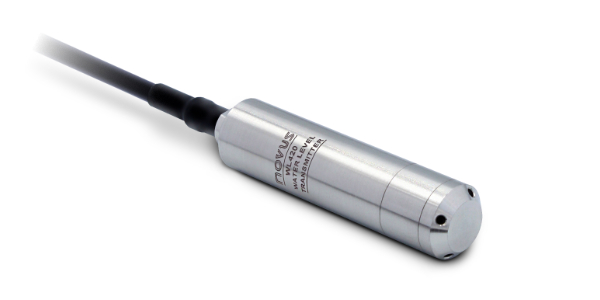
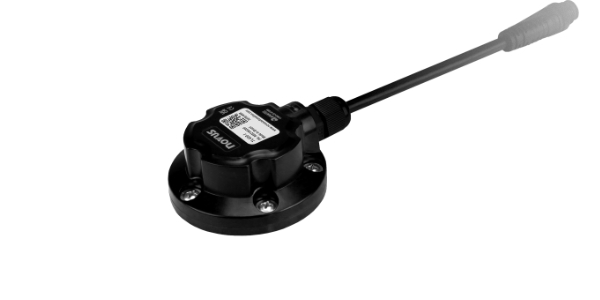
Level sensors enable continuous measurement and monitoring of liquid levels in tanks, wells, open reservoirs, storage vessels and mobile equipment. You can explore hydrostatic submersible and non-contact measurement options according to measurement height, liquid characteristics, mounting method, output signal and environmental conditions.
Hydrostatic level sensors calculate the liquid level by measuring the pressure generated by the liquid column and can be used in well, tank or reservoir applications. Non-contact laser or radar technologies measure the distance between the sensor and the liquid surface. The appropriate measurement method should be selected according to the tank structure, liquid characteristics and installation conditions.
Measurement height, liquid density, temperature and chemical properties are among the first factors that should be evaluated. For submersible products, housing material, cable length, venting design and IP68 protection are important. For non-contact measurements, tank geometry, foam, vapor, surface movement and the sensor's field of view should be considered. Compatibility of the 4-20 mA or digital output with the PLC, data logger or remote monitoring system should also be verified.
Correct installation and scaling are just as important as product selection for stable level measurement. At Tesla Kontrol, we help you select the appropriate level sensor according to your tank height, liquid type and control system requirements.